
Wildewood Farm Doesn’t Offer “Quick Rides”
From time to time, people ask if they can borrow or rent a horse for a casual ride outside of a lesson or supervised program. The request often comes from a genuine love of riding and a belief that an extra ride would be enjoyable for both horse and rider. However, the reality of modern horse care and training makes this much more complicated.
Horse culture has changed significantly over time. Fewer people grow up around horses, and many riding experiences today come from occasional trail rides or vacation rides. While those rides are wonderful introductions to horses, they are very different from understanding how to safely manage, condition, and ride a working horse that is part of a structured program.
Horses in Lesson Programs Already Have Carefully Planned Workloads
Each horse is scheduled based on their fitness level, age, personality, and physical needs. While riders may see an extra ride as fun or relaxing, lesson horses experience additional rides as extra work. Just like people, horses need recovery time between workdays to stay sound, comfortable, and mentally willing. Overworking a horse – even with good intentions – can lead to soreness, burnout, or injury.
Lesson horses also perform a very demanding job. They are trained to carry riders of varying skill levels, tolerate mistakes, and remain patient and steady while helping people learn. This requires a tremendous amount of physical effort and mental focus. Adding unsupervised or additional rides places unnecessary strain on them and can reduce their ability to safely do their primary job with students.
Another important factor is consistency. Lesson horses are trained to respond to specific cues and routines. When unfamiliar riders handle or ride them outside of structured supervision, it can create confusion in their training, increase stress, and sometimes introduce unsafe habits. Maintaining consistent handling and riding expectations helps protect both the horse and future riders.
Risk of Injury to Horses
There is also the risk of injury to the horses. Horses are remarkable athletes but surprisingly fragile. A pulled shoe, strained tendon, or minor accident can take a horse out of work for weeks or months. Unlike equipment, horses cannot simply be replaced if something goes wrong. Safe and reliable lesson horses take years to develop and are extremely difficult to find.
There is also a very significant legal and insurance concern. Most farm and equine insurance policies specifically prohibit non-students or unsupervised riders from using program horses. Allowing someone outside of the established program to ride can void coverage entirely. If that rider is injured, horse owners can face serious legal consequences, including negligence claims. Even if waivers are signed, courts can still hold owners responsible for knowingly allowing an unverified rider access to a horse. For many farms, the financial and legal risk alone makes unsupervised riding impossible to allow.
Build Skills and Relationships with Horses
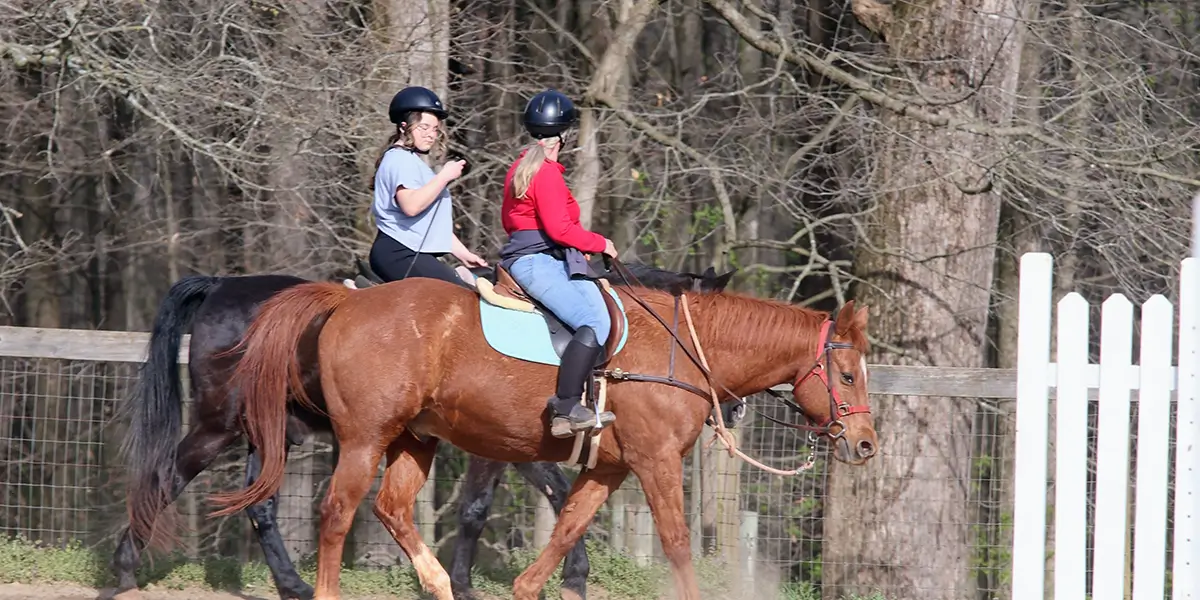
For those who want more time in the saddle, there are appropriate and responsible options such as lessons, supervised practice rides, leasing arrangements, or volunteering. These opportunities allow riders to build skills and relationships with horses while ensuring the horses remain safe, healthy, and willing to do their jobs.
Lesson horses are not recreational rentals. They are trained professionals whose schedules and care are designed to protect their long-term soundness and happiness. Respecting their workload ensures they can continue to safely and successfully teach riders for years to come.