
Stalls Were Originally Designed to Make Life Easier for Humans, Not Necessarily for Horses
One of the questions visitors often ask when they come to our farm is, “Why do your horses live outside all the time instead of in stalls?” It’s a great question – and honestly, the answer usually surprises people.
Stalls were originally designed to make life easier for humans, not necessarily for horses. Stalls help people know exactly where their horses are, keep them cleaner, prevent them from getting bumped or marked by herd mates, and make feeding and handling more convenient. From a human management standpoint, stalls can seem organized and efficient. The interesting part is… horses don’t really care about any of those things.
Confinement Can Lead to a Variety of Stress-Related Behaviors
Horses are herd animals that are biologically designed to live in social groups with constant movement and nearly continuous grazing. When horses are placed in stalls, they are often isolated from normal herd interaction and natural movement patterns. This type of confinement can lead to a variety of stress-related behaviors such as cribbing, stall weaving, food aggression, sleep deprivation, and stall protectiveness. In many ways, it can resemble institutional living – where daily routines are controlled and stimulation is limited.
One of the ways we like to help people picture stall living from a horse’s perspective is by asking them to imagine living in their bathtub full time. Odd comparison? Maybe – but surprisingly accurate. A typical 12×12 stall is proportionally similar to a bathtub-sized living space for a horse. Now imagine staying there day and night, only leaving when someone remembers to let you out, with very little to do and no social interaction except through a wall or bars. Most of us wouldn’t find that lifestyle very enriching, and horses generally don’t either.
Another important factor is feeding behavior. Horses are built to graze and consume small amounts of forage throughout most of the day and night. In stalled environments, horses are often fed larger meals at scheduled times. Once the hay or feed is gone, they may go many hours with nothing to eat. This can contribute to digestive stress, boredom, and frustration. By contrast, horses living outside with consistent access to pasture or hay are able to eat in a way that supports both their physical and mental health.
During Severe Storms, Horses Often Choose the Safest Location Available to Them
People are sometimes surprised that our horses remain outside even during what many consider “bad” weather. In reality, horses are extremely well adapted to handle weather when they have proper shelter options and the ability to move freely. During severe storms, horses often choose the safest location available to them. If a tornado or extreme event were to occur, horses confined inside a barn could become trapped without escape options. Horses living outside have the ability to move away from danger and seek natural protection.
Winter weather presents another important advantage to outdoor living. Our horses have access to large water tanks that are managed to prevent full freezing, allowing horses consistent access to water. Smaller containers, like typical five-gallon buckets used in stalls, freeze much faster and can leave stalled horses without water if not constantly monitored. Additionally, during severe winter storms or heavy snow, there are times when roads become temporarily impassable. Horses living in pasture environments with forage and reliable water sources are often safer if caretakers are briefly delayed in reaching the farm.
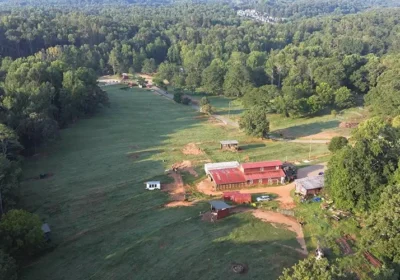
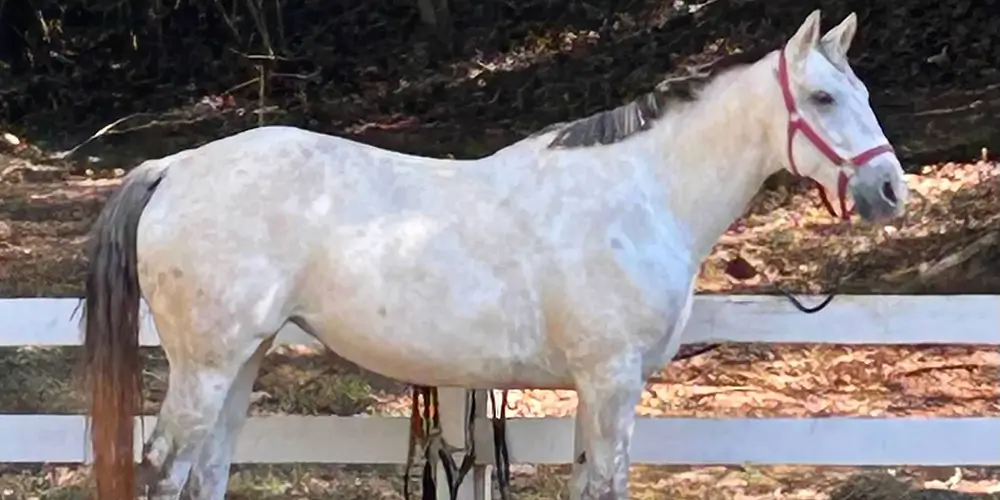
At our farm, we focus on allowing horses to live as naturally as possible while still maintaining safety and proper care. Our horses live in herds where they can socialize, play, establish relationships, and move freely. This natural lifestyle supports joint health, digestive health, emotional stability, and overall longevity. Yes, they occasionally get dirty. Yes, sometimes they get little nicks from playing with friends. But those minor inconveniences are part of normal horse behavior and are typically far less harmful than the physical and behavioral challenges associated with confinement.
Stalls Do Not Meet a Horse’s Natural Needs
This doesn’t mean stalls never have a purpose. They can be very helpful for medical care, injury recovery, severe weather monitoring, or special feeding situations. Like many tools in horse care, stalls can be useful when used thoughtfully and temporarily. However, as a primary living environment, they often do not meet a horse’s natural needs.
Our goal is always to prioritize the horse’s physical and emotional well-being. Happy horses tend to be healthier, safer, more willing to work, and able to enjoy long, productive lives. When people comment on how relaxed, friendly, and content our horses seem, the credit largely goes to allowing them to live like horses were designed to live – outside, with friends, space to move, shelter choices, and something to munch on throughout the day.