
One comment we hear often from visitors at WildeWood Farm is:
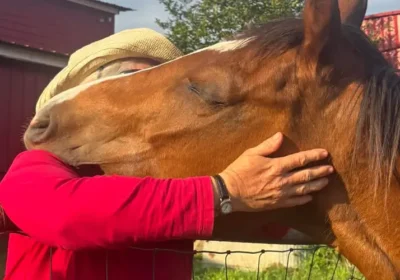
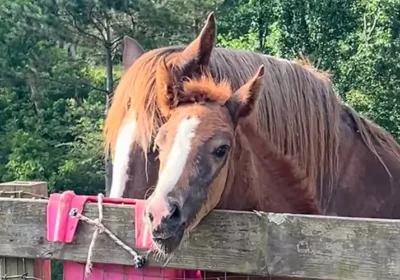
“Your horses look so happy.”
It’s one of the compliments that means the most to us – because lesson horses give so much of themselves every day, and their well-being matters deeply. Over the years, we’ve learned that a horse’s happiness doesn’t happen by accident. It comes from thoughtful care, balance, and respect for the work they do.
Lesson Horses Are Extraordinary Teachers
Lesson horses help riders take their very first steps into horsemanship. They patiently carry beginners, build confidence, and quietly guide learning through thousands of rides.
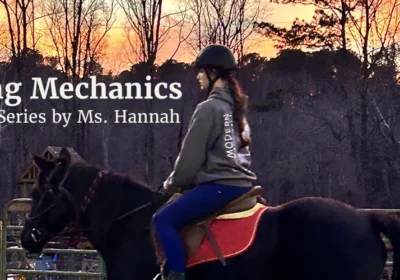
At WildeWood Farm, many of our lesson horses do more than teach lessons – they also compete at local shows alongside our riders.
They teach during the week and step into the show ring as experienced partners, helping riders apply what they’ve learned in a new environment.
We see them not simply as lesson horses, but as valued co-teachers. In many ways, they may be the most important teachers at the farm.
Teaching and Showing Creates Purpose
Having varied work helps horses stay mentally engaged and physically balanced. Lessons allow them to guide developing riders with patience. Showing gives them a chance to stay active, focused, and proud of their skills.
This variety helps prevent boredom and burnout while allowing horses to continue using the knowledge gained throughout their earlier careers. A horse who understands their job often enjoys having meaningful work to do.
The Reality of Burnout
In many riding programs, lesson horses only teach for a few years before they are considered “used up.”
Often this happens not because the horses lack ability, but because they may be:
- Asked to work too many hours
- Given insufficient recovery time
- Managed as a means to an end rather than individuals
- Expected to perform beyond their physical comfort
Like people, horses need balance between effort, rest, and purpose. When that balance is missing, even generous horses can become tired physically and mentally.
A Different Philosophy at WildeWood Farm
At WildeWood Farm, lesson horses receive the same level of care as our personal horses.
There are no “leftover” standards of care here. That includes:
• Carefully limited workloads
• Time to rest and simply be horses
• Living in herds with social interaction
• Regular veterinary, dental, and farrier care
• Professional conditioning appropriate to their jobs
• Thoughtful rider matching
• Opportunities to both teach and show when appropriate
Our goal is not to get the most work from a horse.
Our goal is to help each horse enjoy a sustainable and meaningful life.
Herd Life and Well-Being
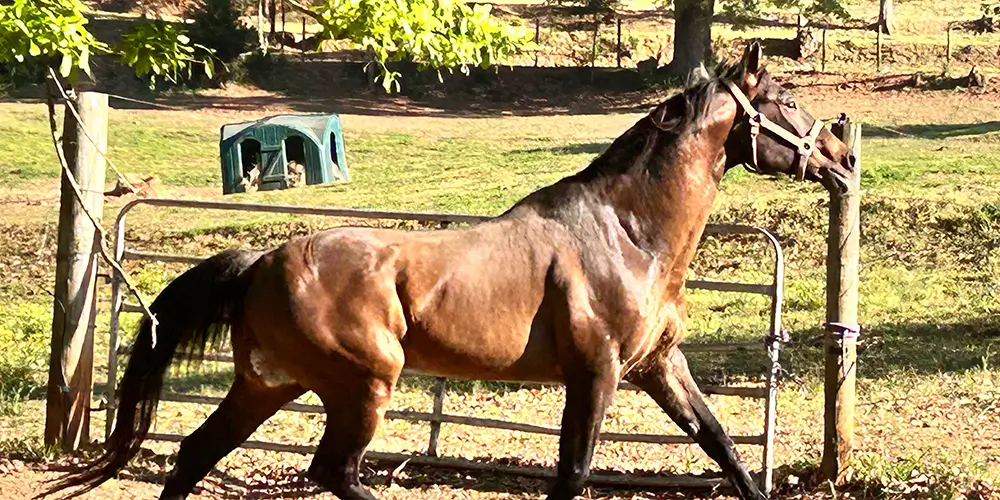
Horses are social animals. Living in compatible herds allows them to move freely, communicate naturally, and relax. Time spent grazing, interacting, and simply being horses supports both physical and emotional health.
Visitors often notice a calmness in horses who are allowed this balance – and that calmness carries directly into lessons and the show ring.
Care Creates Longevity
When horses are managed thoughtfully, they can remain happy teachers for many years – often well into their twenties.
Instead of short careers followed by burnout, their roles evolve:
- Teaching beginners
- Supporting developing riders
- Competing locally
- Adjusting workloads as they age
Experience becomes an asset rather than a limitation.
Partners in Education
At WildeWood Farm, lesson horses are not stepping stones or temporary tools. They are partners in education. They teach riders patience, confidence, and empathy – lessons no human instructor can fully replace.
When visitors say our horses look happy, what they are often seeing is respect.
Respect for the work they do.
Respect for who they are.
Respect for the role they play in shaping riders.
Good horsemanship values the teacher as much as the lesson – and sometimes the horse teaches even more than the coach.
Ms. Hannah teaches.